Young Students Transform Memory into Games
Third Edition of MuseImpresa-LIUC Schools Project Comes to an end
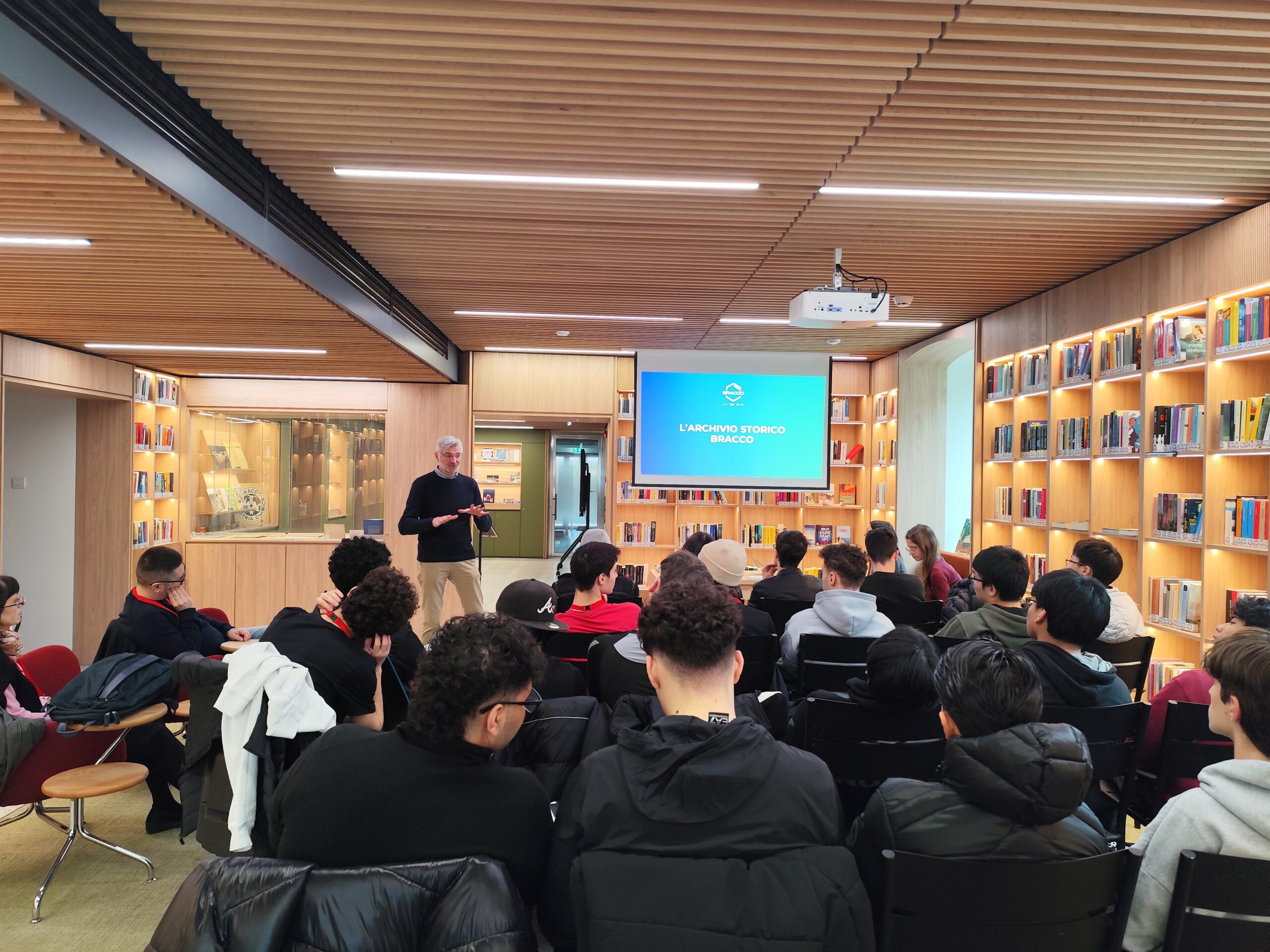
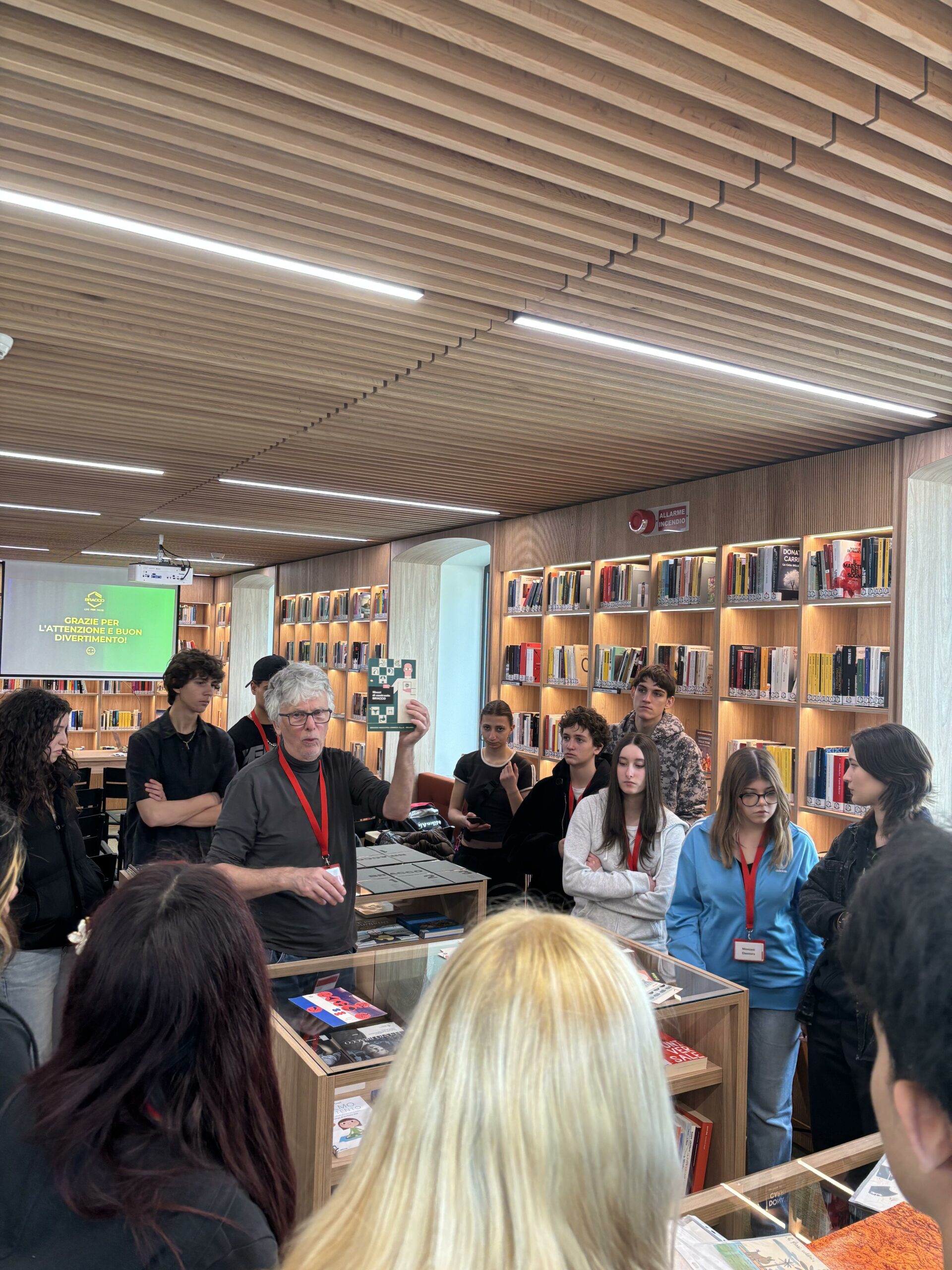
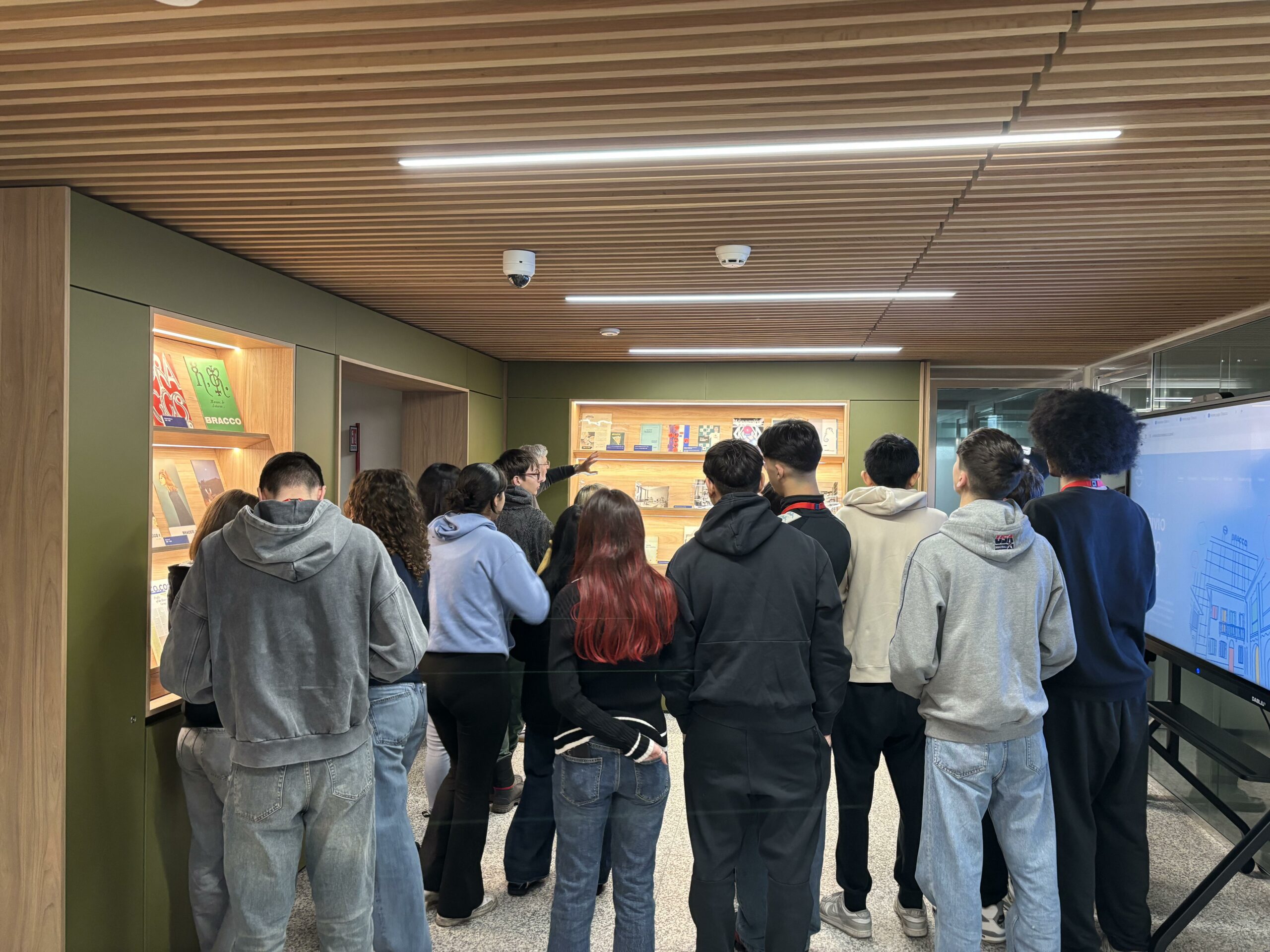
Between February and April 2026, the Bracco Historical Archive hosted three classes from the Milan area for the third edition of the Schools Project, born from the collaboration between MuseImpresa and LIUC University.
The Schools Project is structured in two phases. During the theoretical phase, held in the classroom through educational videos, students explore the history of Italian industrialization and the main productive sectors, acquiring the necessary knowledge to understand the historical and economic context of Italian companies. The applicative-experiential phase involves a direct visit to a company museum or archive, where students develop their project work based on materials and historical testimonies preserved there.
At Bracco, dedicated presentations were organized for the three participating classes, illustrating: the company’s core business, the evolution of diagnostic imaging, and the Historical Archive, with a focus on the importance of preserving memory. Finally, the project work to be completed was presented. The theme proposed for this edition was “Learning through Play. The Science of Seeing Inside” a focus that allowed students to explore, through games, the long history of Bracco’s scientific innovation.
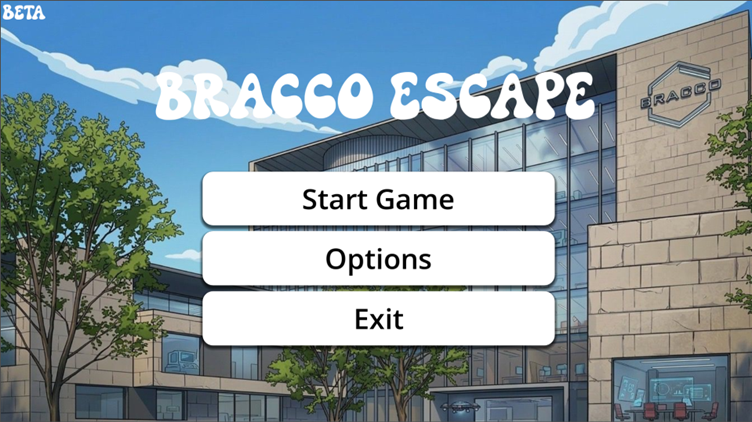
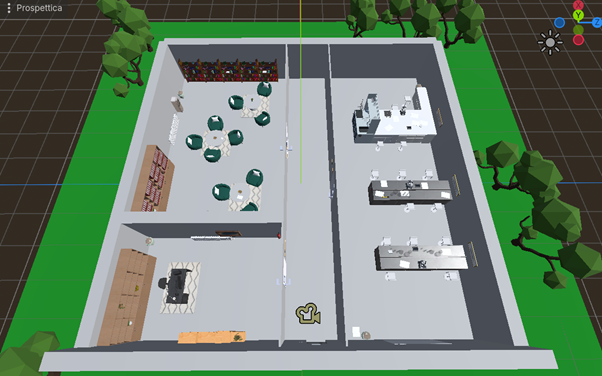
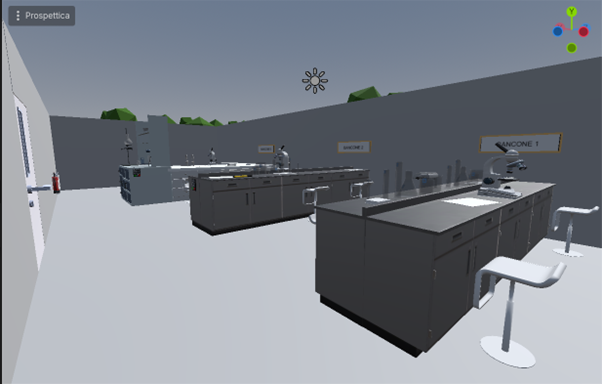
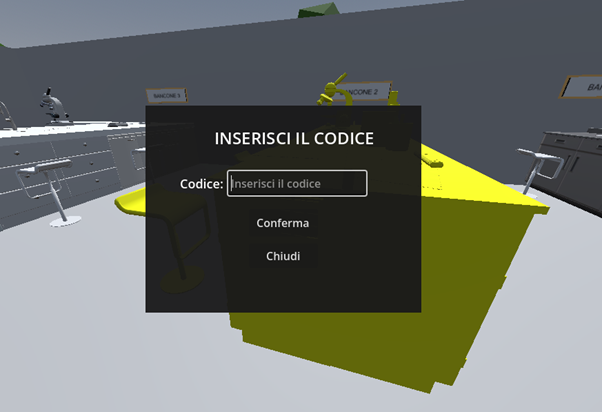
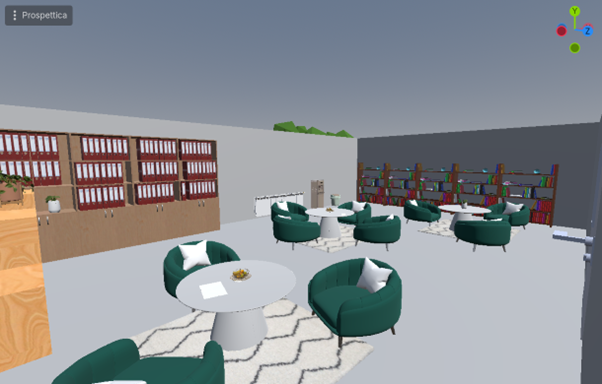
Bracco Escape. Chronicles from the Laboratory – The serious game created by the 3°A Scientific Applications High School and 4°B Computer Science class of Giuseppe Luigi Lagrange Institute in Milan.
A serious game is a game in which the player learns and develops skills through puzzles, clues, and questions that guide them toward the solution, transforming learning into an engaging and playful experience. In the game created by the students, the player becomes trapped in Bracco’s laboratories and must escape by solving puzzles based on official documents preserved in the Historical Archive. The videogame is divided into three environments: the Laboratory (where to find the first clues), the Study (with a historic advertising postcard that hides the password to the next room), and the Secret Library (where to discover the code to exit).
The 4°B Computer Science class handled technical development, setting, and puzzle mechanics; the 3°A Scientific Applications class developed the narrative. Together, they actively collaborated to optimize the game’s overall performance. The result is an immersive gaming experience that transforms the Archive’s documentary heritage into a journey of concrete and enjoyable learning and discovery!
Bracco Legacy: The Board Game – Three proposals developed by students of the 3°A Graphics class of Caravaggio Artistic High School in Milan.
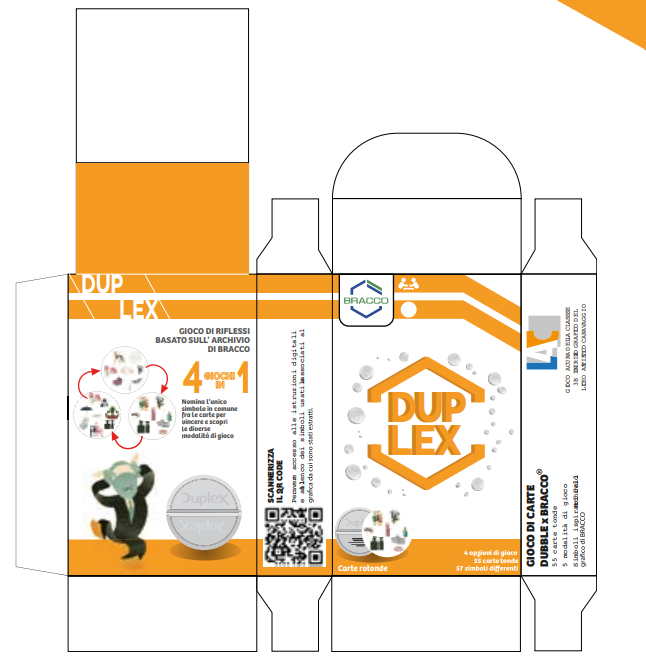
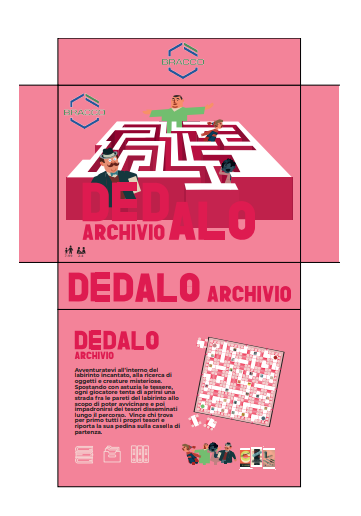
Each group reworked an existing board game model (The Game of Life, Labyrinth, and Dobble), adapting it to Bracco’s theme and historical heritage. The creative process included: careful study of advertising materials preserved in the Historical Archive; definition of concept and visual identity; and specification of objectives, theme, and target audience.
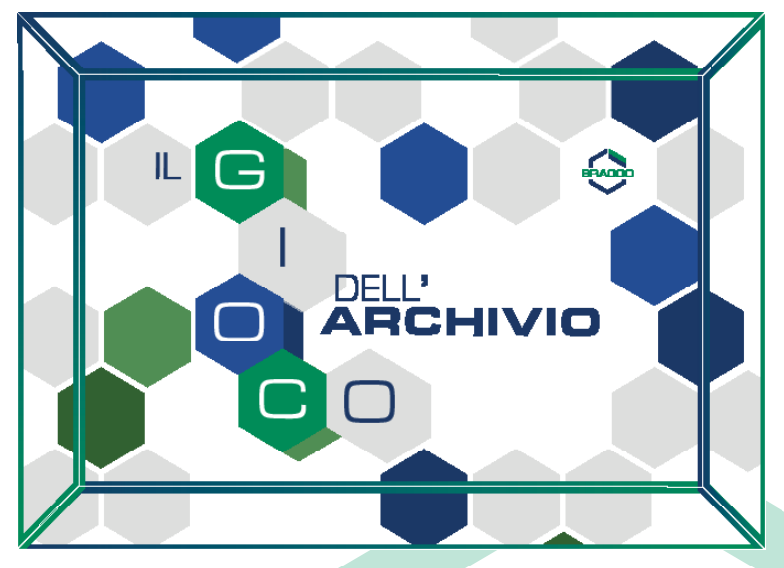
Students subsequently developed every element of the game: graphics, pieces, rules, and packaging, respecting Bracco’s brand identity and game design principles. The three final projects are: “Duplex” (inspired by Dobble), where graphic elements from historic advertising postcards become the symbols to find during gameplay; “The Archive Game” (inspired by The Game of Life), in which players assume the role of archivists and collect cards representing historical materials to reorganize the Archive in the shortest time possible; and finally, “Daedalus” (inspired by Labyrinth), where the tiles to move are the advertising postcards themselves. The three mockups combine original design and creativity, transforming the historic graphic heritage into authentic gaming experiences with remarkable visual impact!
An Extended Experience: STEP Futurability District
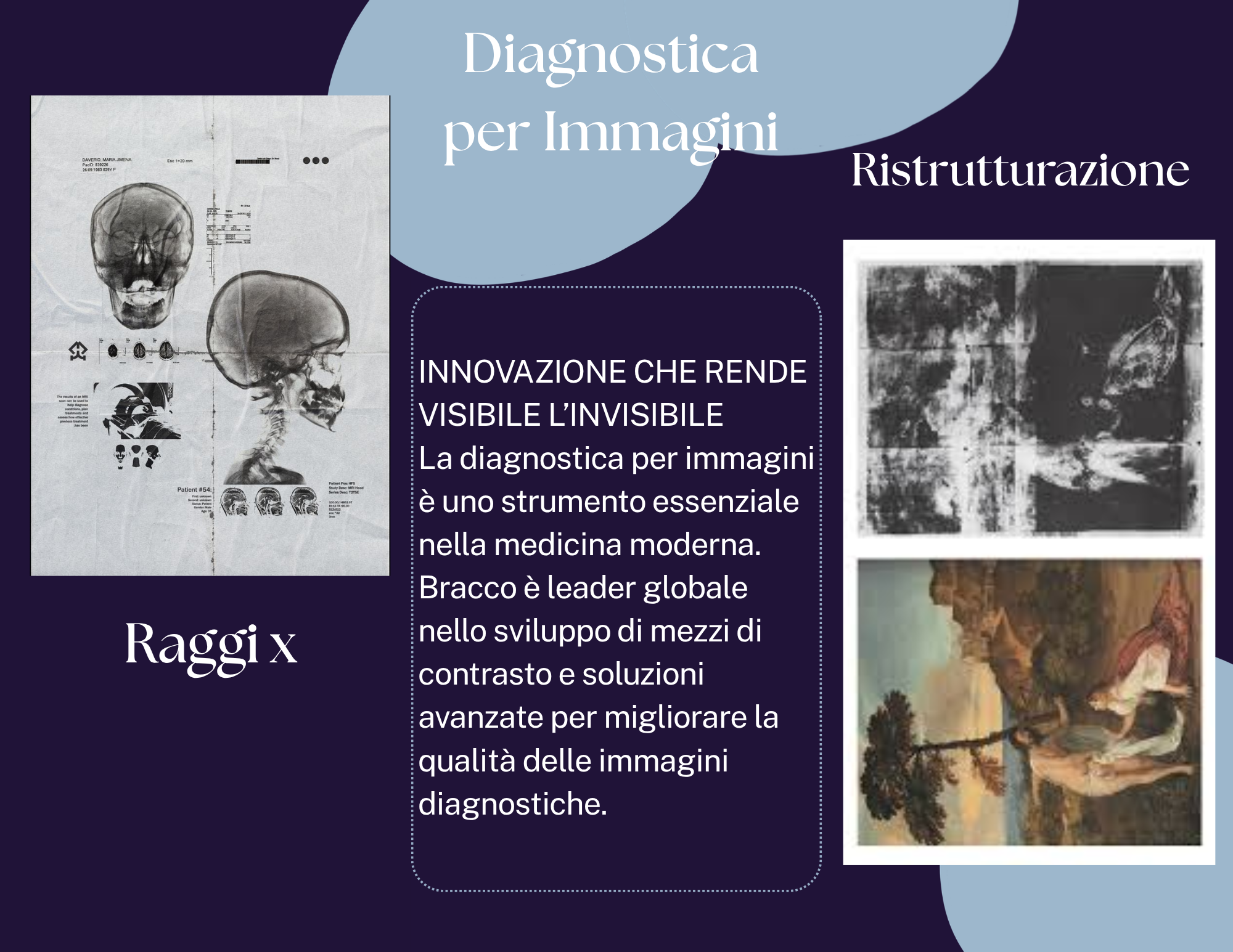
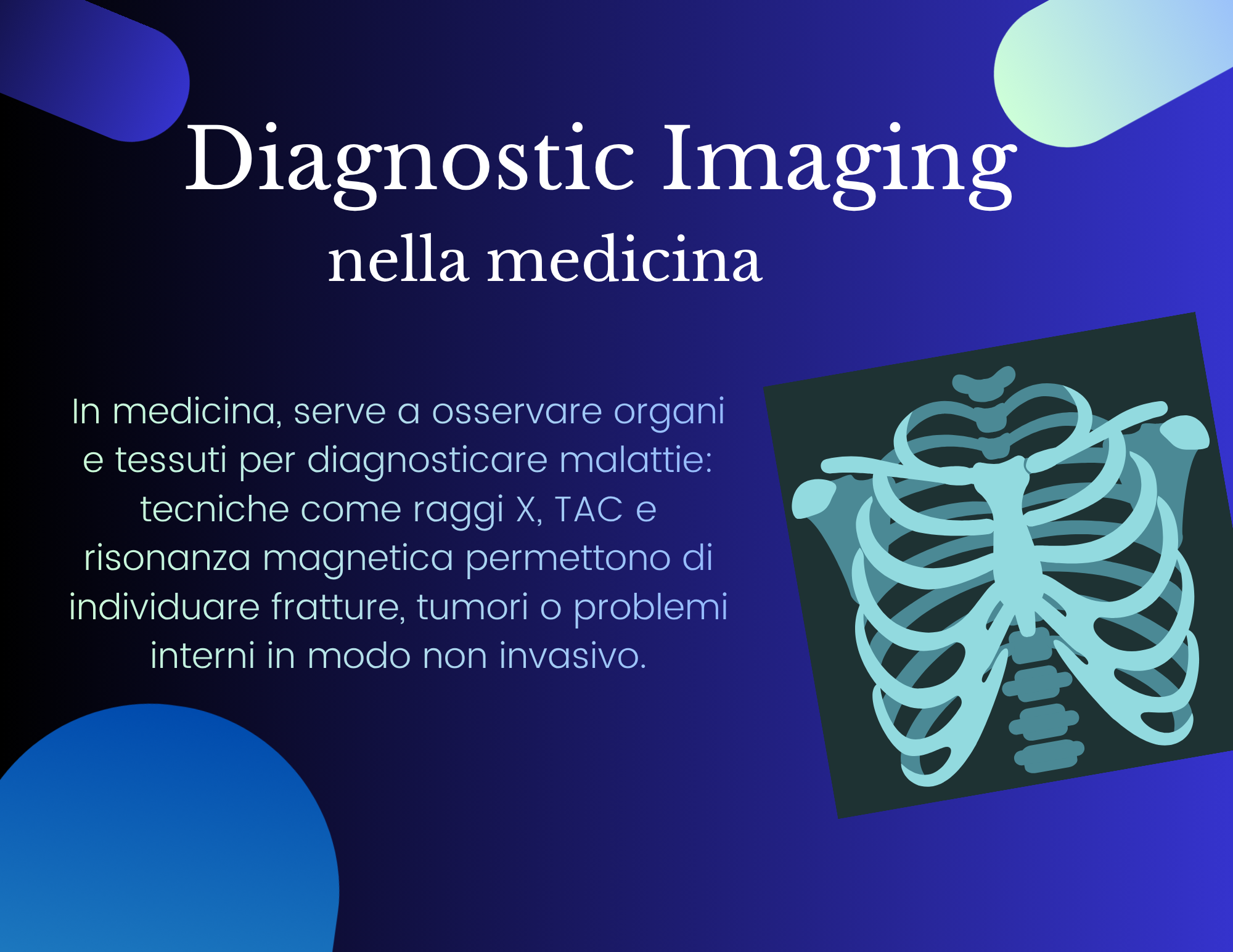
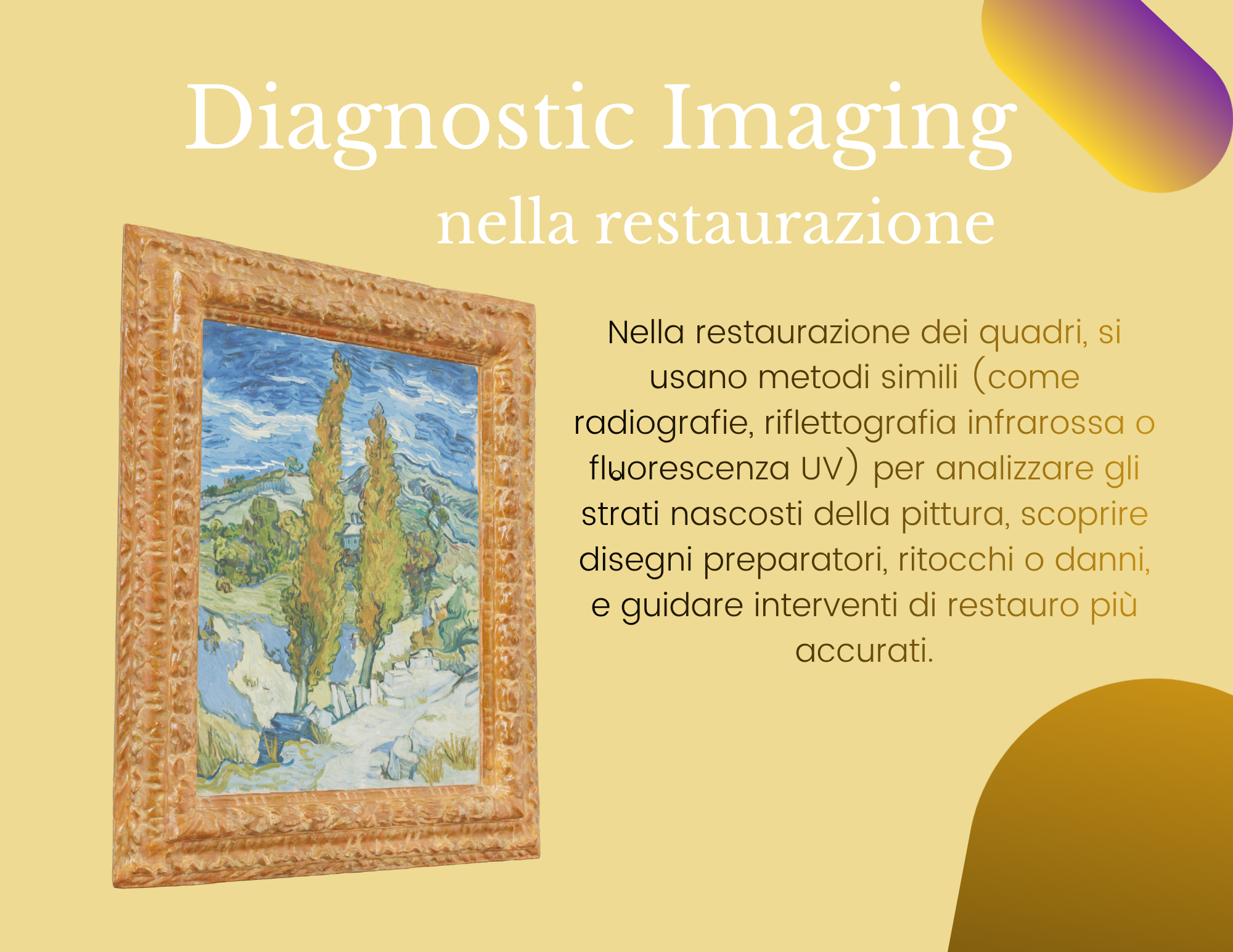
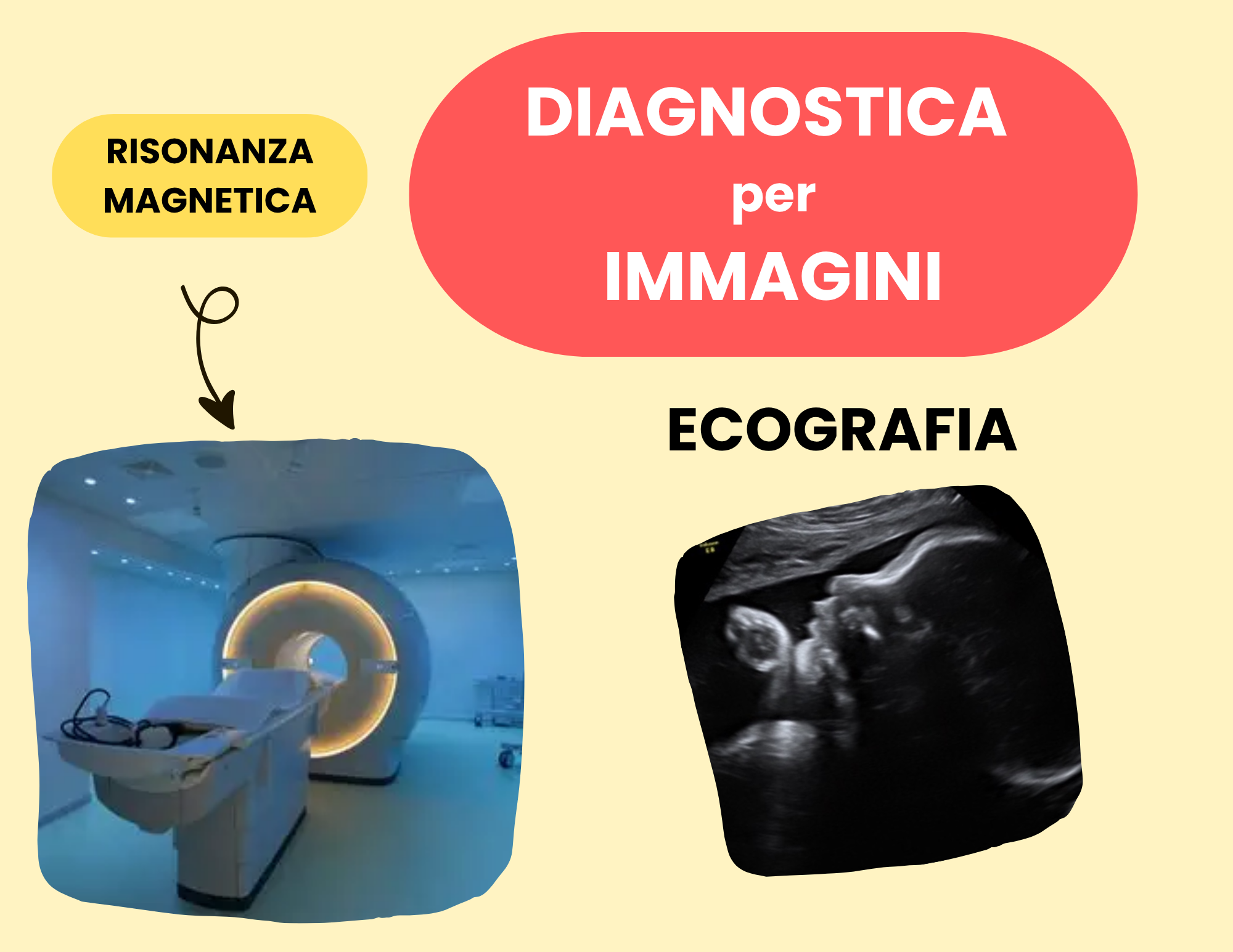
Some students from the participating classes had the opportunity to visit STEP Futurability District, a technological and experiential space in Milan that features dynamic installations and immersive environments. Accompanied by FORWARD, a virtual creature and voice guide, students discovered the “future” in 10 steps, exploring how the world will change. The visit was part of the scientific collaboration between Bracco and STEP. Students also participated in the educational workshop “Images (IN)visible” a project realized with Bracco for Schools in which, transformed into science communicators, they created informational flyers on diagnostic imaging applied to cultural heritage.