Stories of Innovation
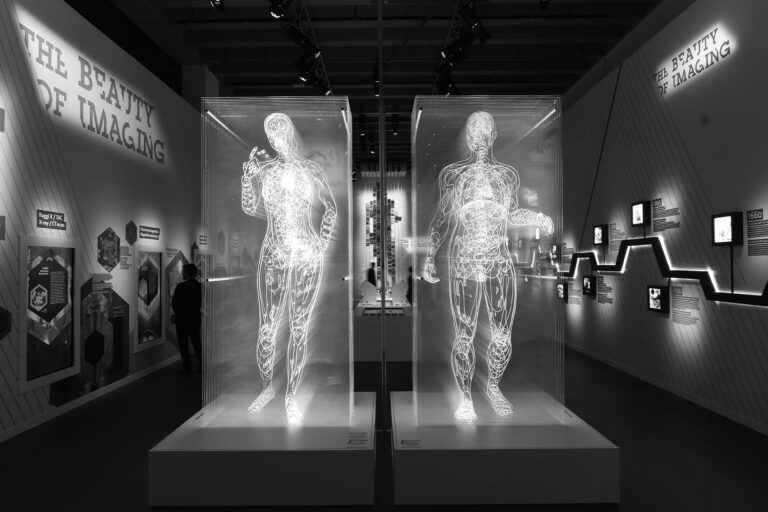
The "Beauty of Imaging": an exhibition that explains the importance of Röntgen's diagnostics for predictive medicine through the language of art
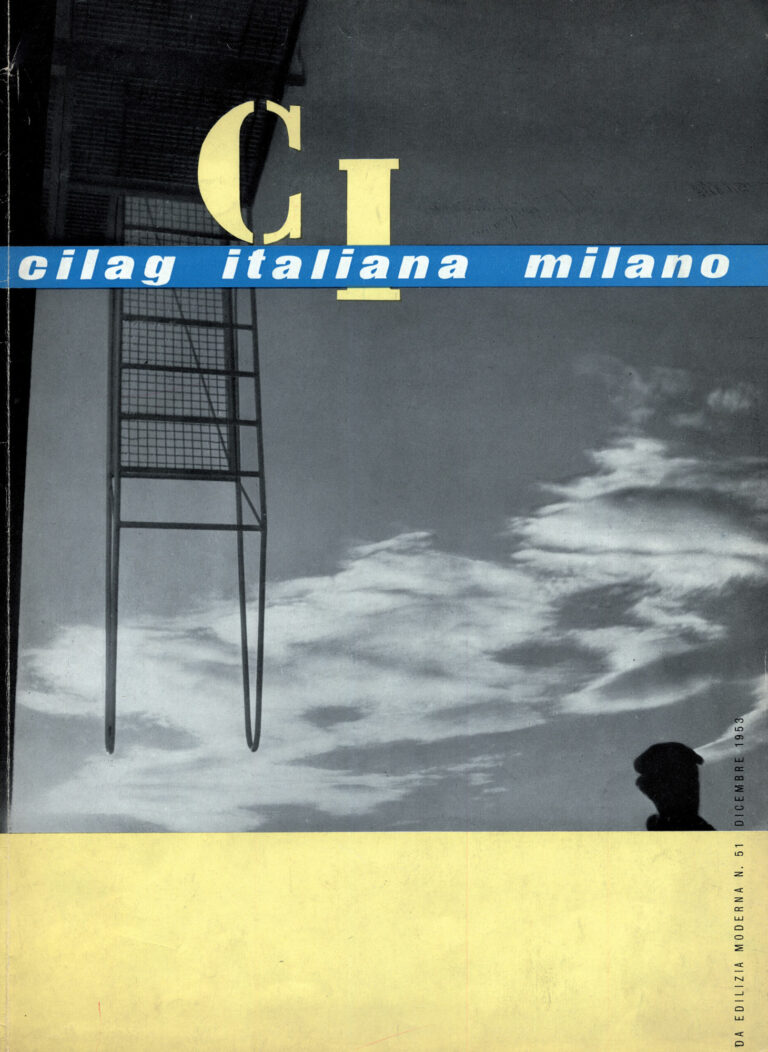
Switzerland has always been strategically important for the Bracco Group. Since the early post-war years, when – in the midst of a very difficult period of reconstruction – it represented a real lifeline for restarting the company’s development. Fulvio Bracco recounts this in his memoir, talking about his first contacts with Cilag in Schaffhausen: “The decision by the Italian Minister for Foreign Trade to allow trade in goods, known as private compensation, opened up a way for me to resume production: I could export wine or other food products in exchange for chemical and pharmaceutical raw materials and pharmaceutical products of the same value. I threw myself into this venture with determination and courage”.
Why did Fulvio Bracco choose Switzerland? For two main reasons: because it had a patent law on drugs that did not yet exist in Italy in the 1950s, and because of the quality of its researchers. “The right people are there,” wrote the young entrepreneur, “highly trained in pharmaceuticals and chemistry: it was undoubtedly an advantage to have these people available for research right from the start.”
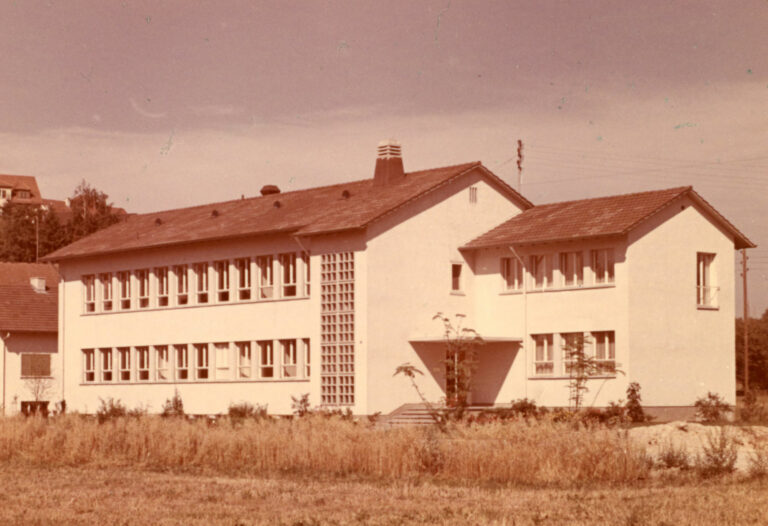
And so, in 1946, with visionary intuition, he decided to invest in Schaffhausen and founded Cilag Italiana SpA, with a 50% stake in the Swiss company. Cilag was a supplier of chemical and pharmaceutical raw materials, a young company with top-notch employees and modern production facilities focused on pharmaceuticals. “Our company was able to restart production of a good group of specialties, rehire staff, and reorganize all departments. In 1946, I also brought my brother Tullio into the company, entrusting him with the scientific management.”
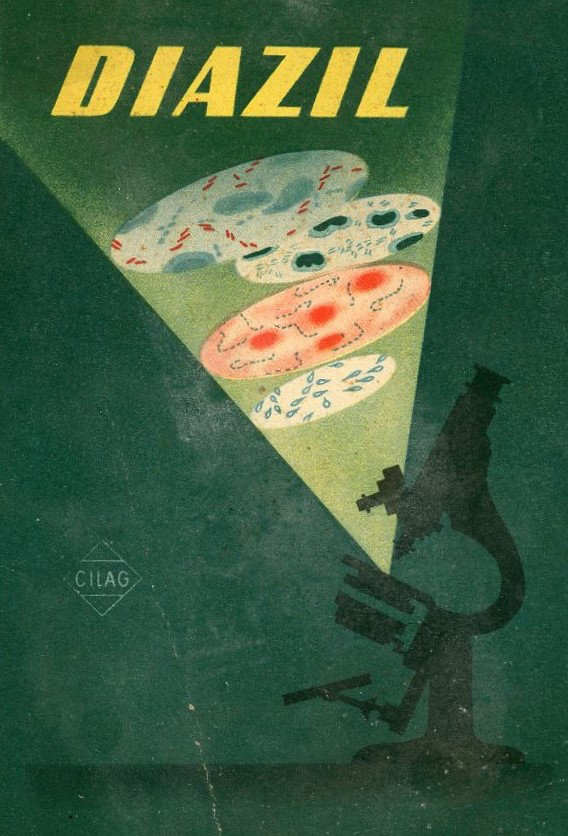
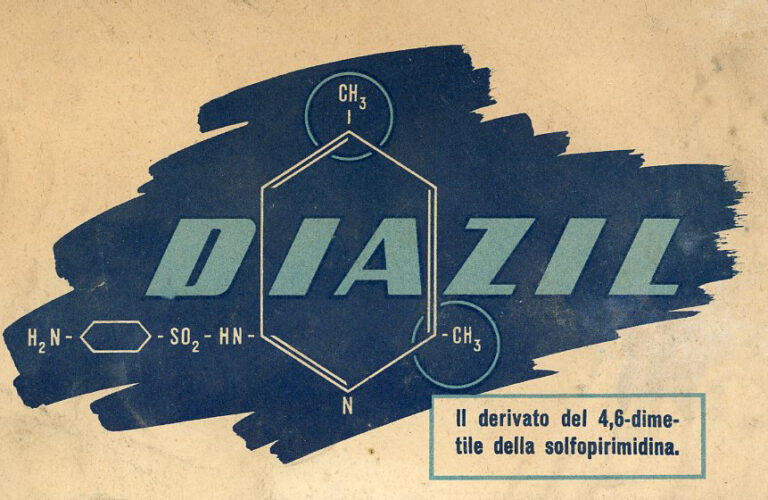
One of Cilag’s products was Diazil, a sulfonamide that was launched in 1948 and was immediately very successful: demand was very high because that year saw a severe flu season. It was Diazil, with its success in Italy and the great economic results it achieved, that gave Fulvio Bracco the strength to build the production plant in Milan Lambrate in the early 1950s.
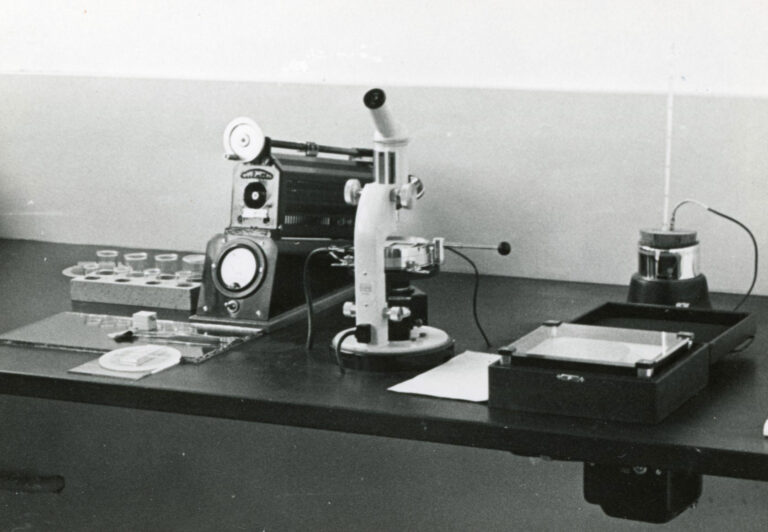
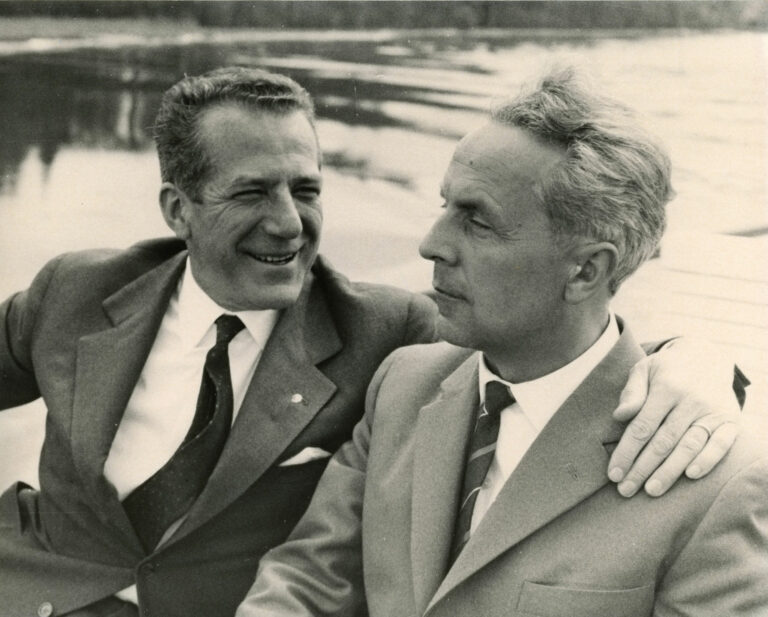
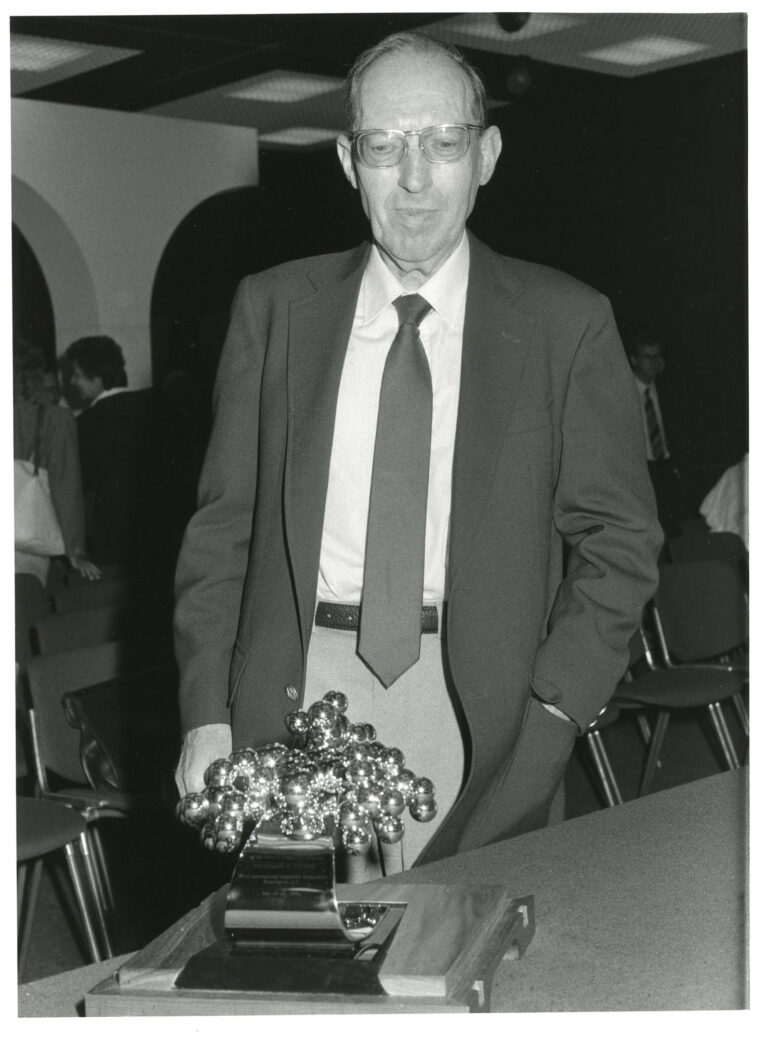
Another Swiss national who contributed greatly to the company’s success was Professor Ernst Felder, a man of science. Hired on October 1, 1950, he established research at Bracco and made revolutionary discoveries in the field of pharmaceuticals and contrast media. Prof. Felder, who graduated in chemistry in Zurich, was part of a group of researchers and expert collaborators from Cilag in Schaffhausen who soon began working at Industria Chimica Dr. Fulvio Bracco, established thanks to the acquisition of full ownership of Cilag Italiana.
In 1987, Bracco consolidated its position in Switzerland and acquired Società Sintetica S.A. in Mendrisio, a company focused on the production and research of radiology contrast media. Two years later, an extraordinary collaboration began with the Battelle Research Center in Geneva, an early example of open innovation that allowed for the exploration of cutting-edge methods in the field of diagnostic imaging.
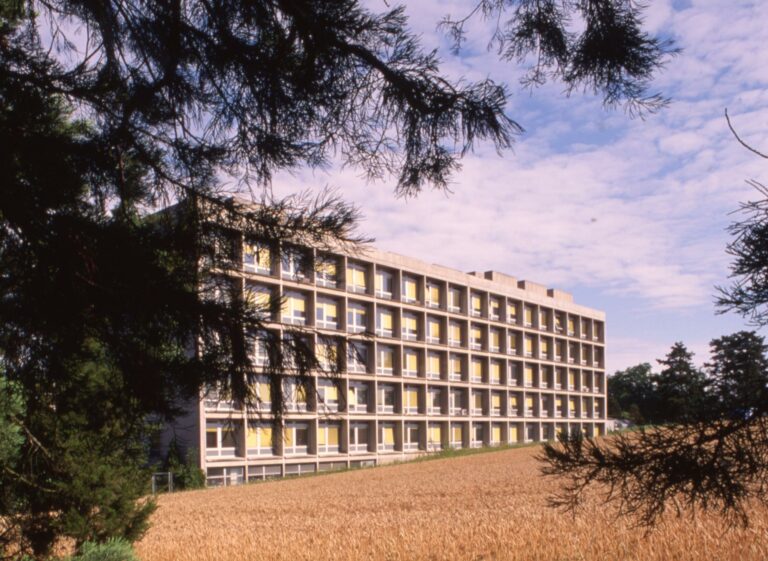
In 1993, research activities were strengthened with the establishment in Geneva of Bracco Research SA, specializing in contrast media for ultrasound and controlled release systems for active ingredients. In 1998, the transfer of the research center and the construction of the Bracco Imaging production site in Plan-les-Ouates were announced.
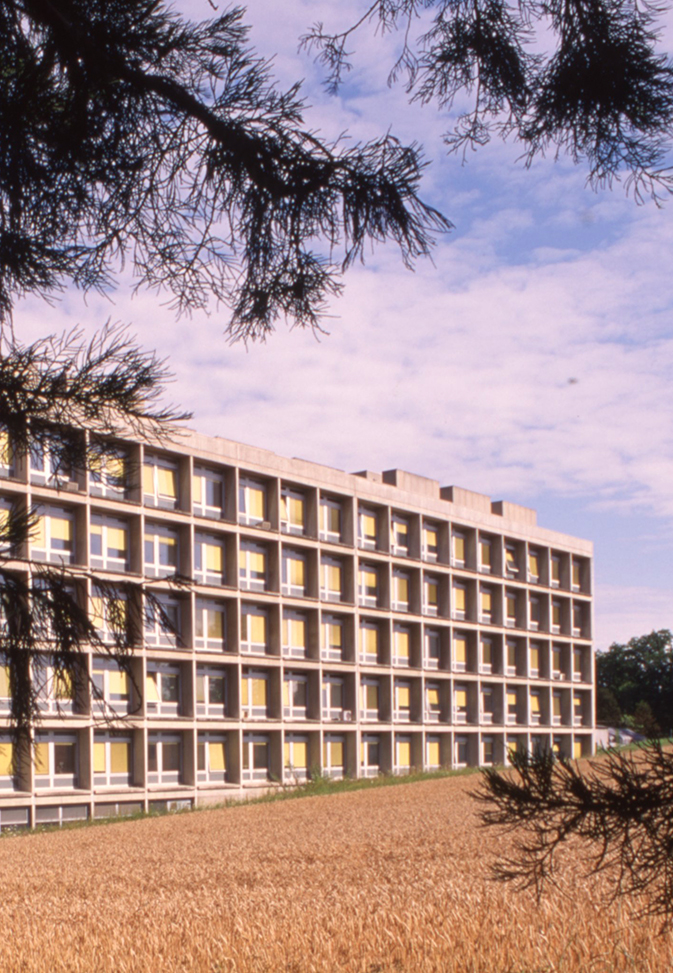
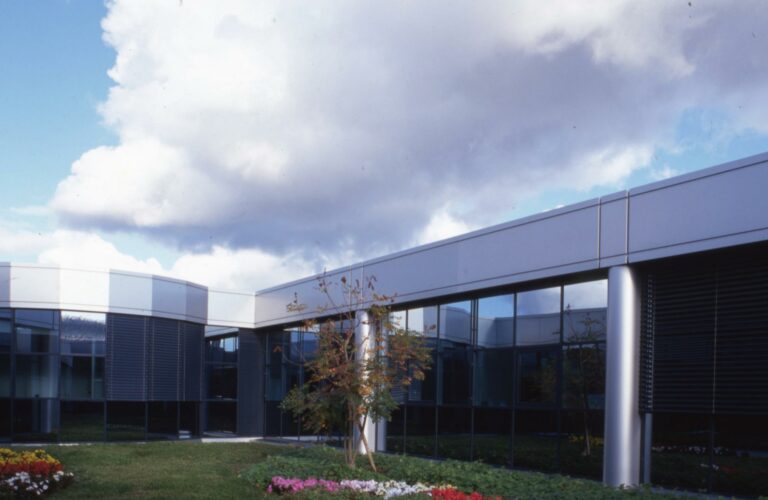
In the 2000s, Diana Bracco, who took over from her father Fulvio at the helm of the Group, presented the new Bracco Research headquarters in Plan-les-Ouates, in an area dedicated to high technology, alongside a plant producing an innovative contrast agent, the result of ten years of research carried out in collaboration with the Battelle Institute. This was a truly revolutionary fluid composed of microbubbles of sulfur hexafluoride, capable of simulating the behavior of a red blood cell. The presence of these microscopic bubbles in the blood allowed for a previously unknown level of organ visibility, enabling more accurate and timely diagnoses. Also in 2000, Bracco Suisse SA was established in Manno near Lugano for commercial activities in Switzerland (which had been taken over with the acquisition of Sintetica).
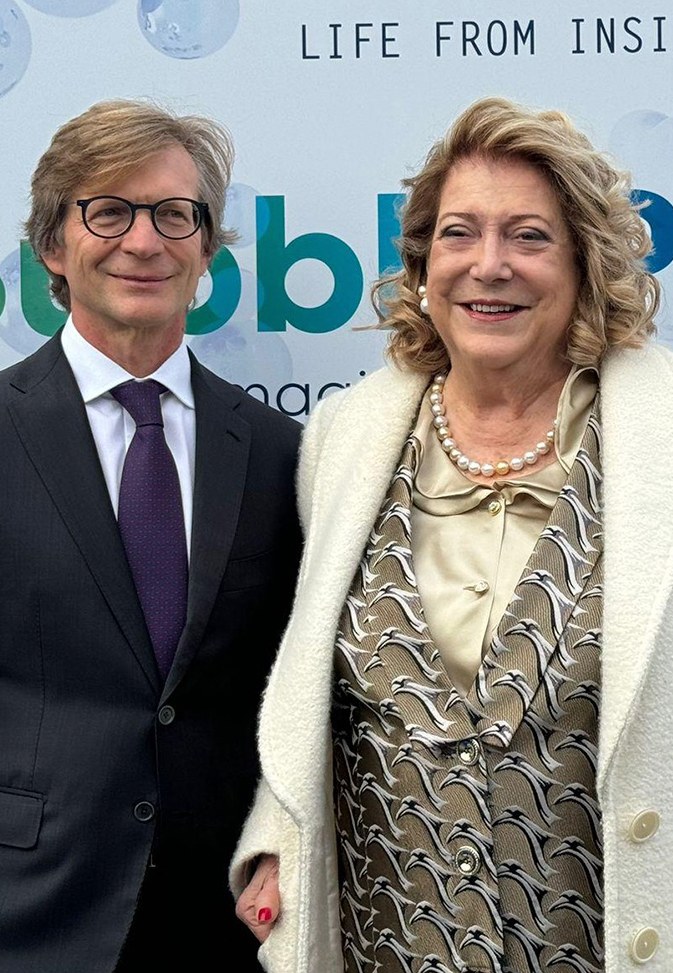
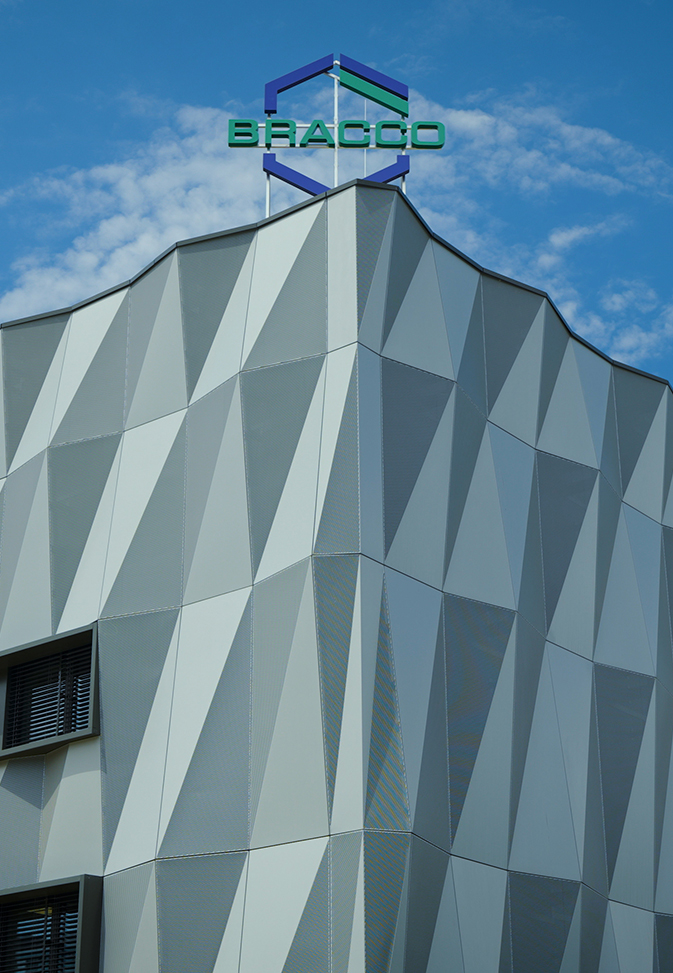
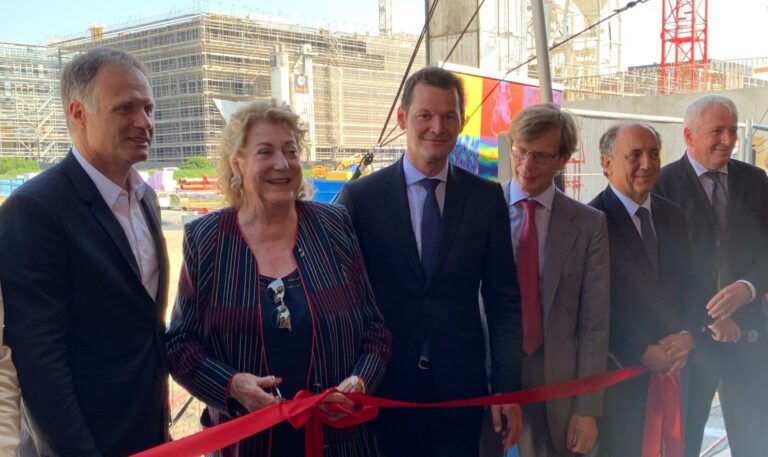
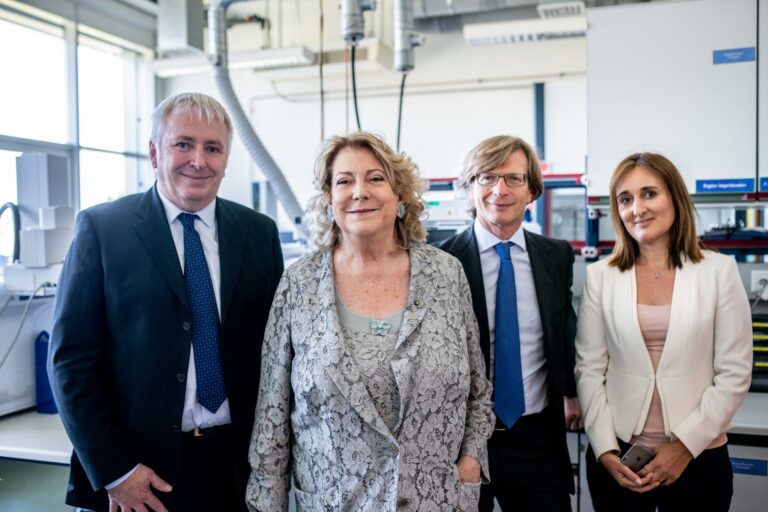
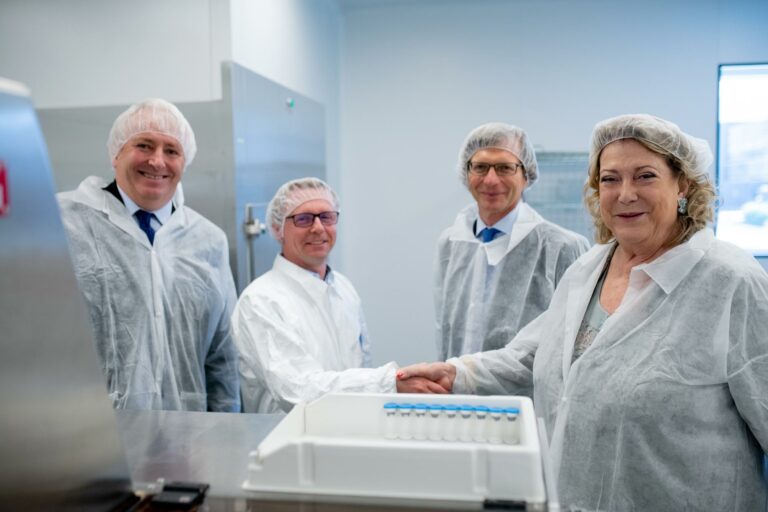
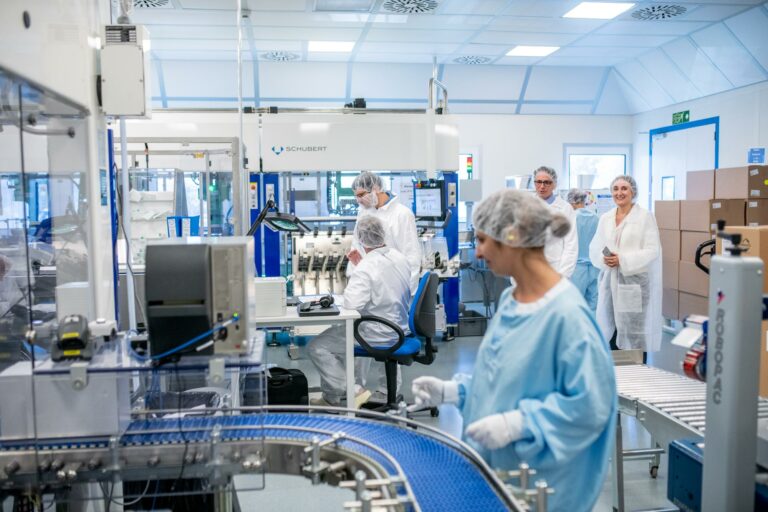
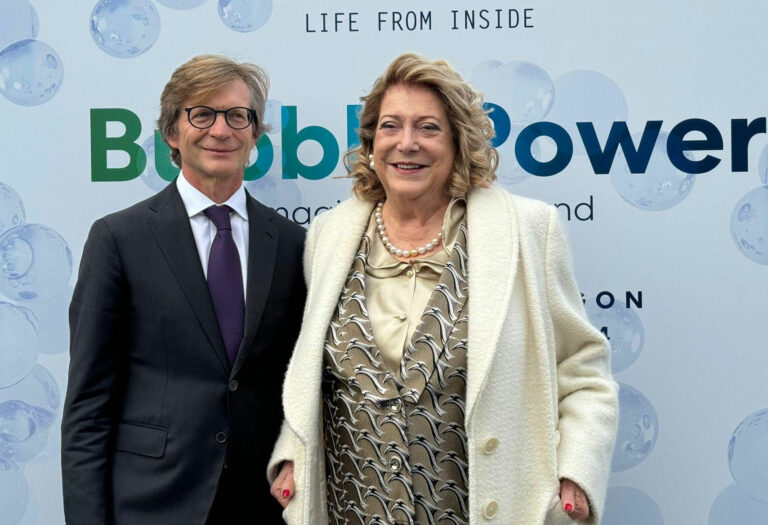
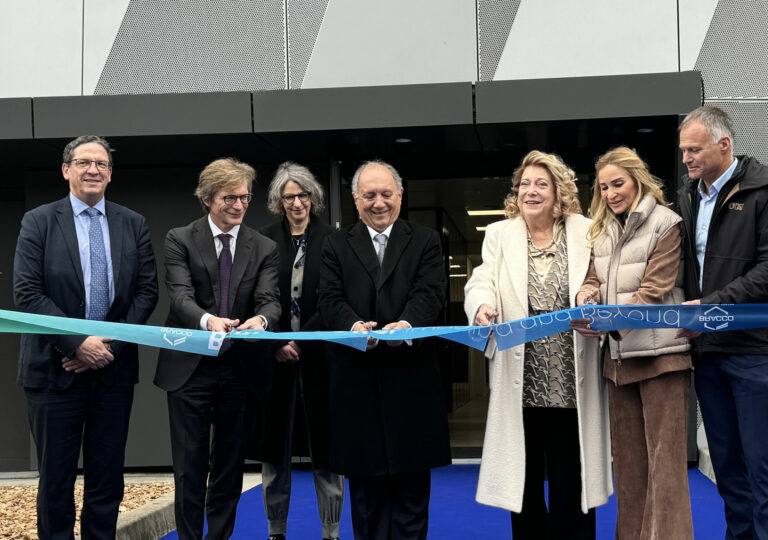
Finally, in November 2024, more than twenty years later, another important chapter in this long history was written: the inauguration of Hexagon, the new multifunctional building of Bracco Suisse that will supply the whole world with the innovative microbubble-based ultrasound contrast agent. At the ribbon-cutting ceremony, attended by the Mayor of Plan-les-Ouates, the Swiss Ambassador to Italy, and the Italian Ambassador to Switzerland, Diana Bracco said: “Thanks to this new facility we are inaugurating today, we will be able to meet the very high international demand for our drugs. An investment of approximately €83 million will allow us to triple production and explore other cutting-edge diagnostic methods. This site currently employs over 125 people in production and research. For us, as a family-owned company capable of competing in global markets in a highly technologically advanced sector, this is a real achievement of which we are very proud.”
Shortly afterwards, Fulvio Renoldi Bracco reiterated the company’s commitment to innovation and the historic importance of the day: “Today we are celebrating a significant moment for the life sciences sector and for patients around the world. With the opening of Hexagon, we are ushering in a new era in microbubble research, development, and production, building on Bracco’s more than 30 years of leadership in Contrast-Enhanced Ultrasound (CEUS). Hexagon will be the focus of our investment and innovation plans, with the aim of providing patients with increasingly advanced tools, reducing diagnosis times and improving the effectiveness of healthcare systems. This marks another step towards our mission to improve people’s lives.”
And the story continues…

Discover over 10,000 documents